* As the Year of the Horse draws near, an ancient ranch in northwest China's Gansu Province has seen a gradual increase in visitors.
* The region's horses are telling a new tale of ecological progress and economic transformation.
* While some of the tourists enjoy the horse riding at the farm, others fancy taking a look at the Przewalski's horse.
LANZHOU, Feb. 14 (Xinhua) -- As the Year of the Horse draws near, an ancient ranch in northwest China's Gansu Province has seen a gradual increase in visitors -- an unusual development in winter considering the biting cold prevalent at the foot of the Qilian Mountains.
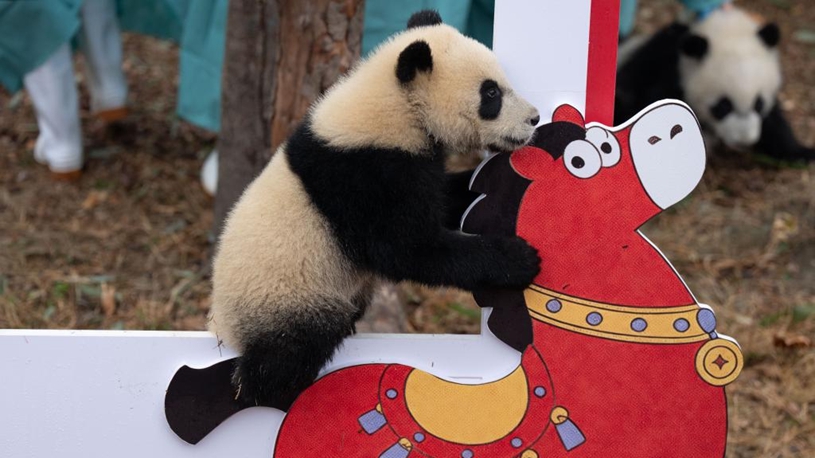
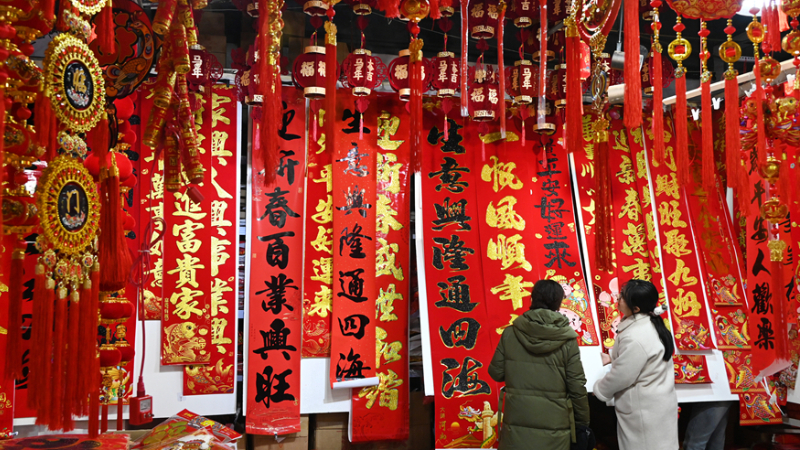
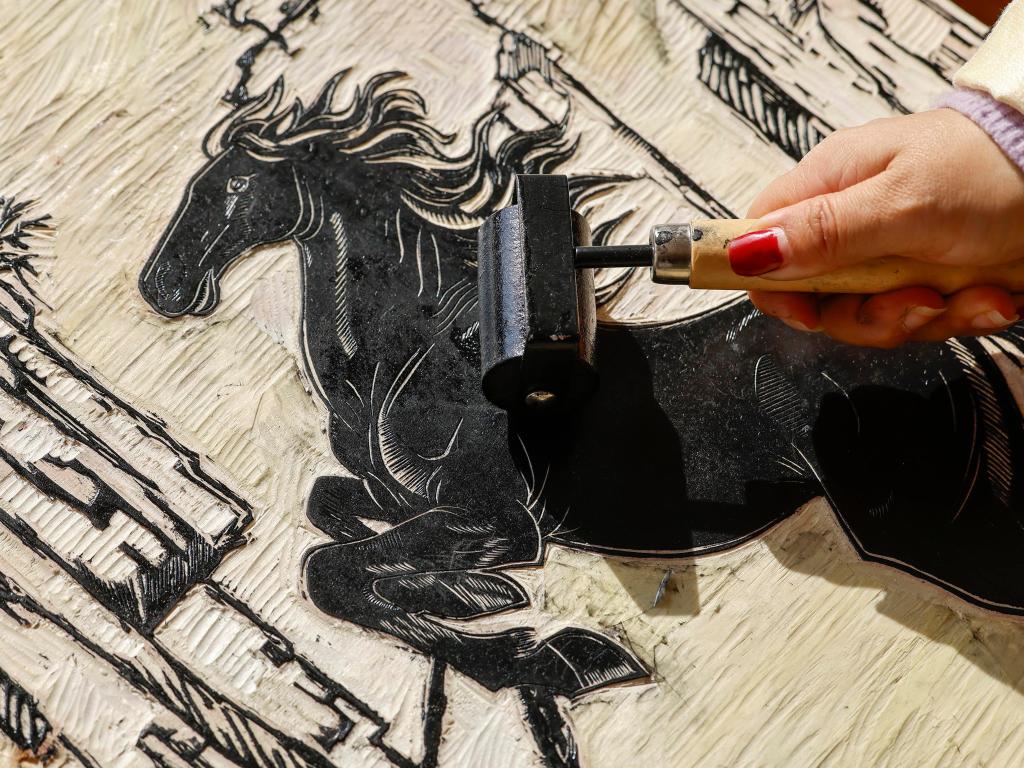
China's Year of the Horse will begin on Tuesday, following the Year of the Snake. In Chinese culture, the horse is traditionally associated with loyalty, energy and a pioneering spirit, and is considered one of the Chinese zodiac's most popular animals.
"Spending time with horses in the New Year period of the Year of the Horse feels like a suitable way to embrace an energetic and upward-looking start to the new year," said tourist Zhang Xiaoyong, who drove to the Shandan Horse Breeding Farm along with family members.
For millennia, northwest China has been a cradle of horse breeding. Today, ranging from this ancient ranch to the rewilding of endangered species nearby, the region's horses are telling a new tale of ecological progress and economic transformation.
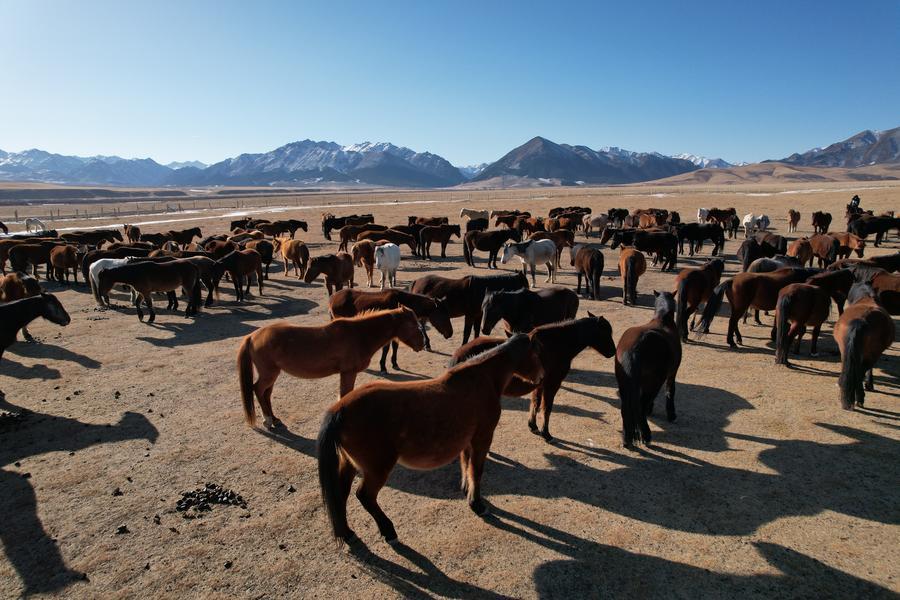
GALLOPING INTO NEW CHAPTER
Boasting a history of over 2,000 years, Shandan is one of China's oldest horse farms and is currently home to more than 700 horses.
Formerly known as an army horse ranch, the farm has bred the Shandan horse, a large-headed and short-limbed breed prized for its endurance and ability to survive on rough fodder at high altitudes.
As market demand shifted in the 1990s, the farm began to introduce foreign breeds to crossbreed with local stock, becoming a renowned horse supplier for horse racing.
At peak market prices, a six-month-old foal can sell for up to 20,000 yuan (approximately 2,882 U.S. dollars), with clients based in the neighboring Qinghai Province and Inner Mongolia Autonomous Region, where horse racing is a traditional sport of various ethnic groups.
In recent years, stricter conservation measures in the Qilian Mountains, including rotational grazing, have allowed the land to be greener. Data shows that vegetation coverage at the farm rose from 80.3 percent in 2019 to nearly 87 percent in 2024.
While improved grassland ecology has opened new possibilities, the farm has, notably, pivoted from a sole focus on breeding to a modern model integrating conservation, standardized management and eco-friendly tourism.
At the ranch, visitors can watch horse herds galloping across the vast grassland or drinking by the riverside, ride horses under the guidance of herders, stay in camping tents or wooden cabins, and taste local specialties, including highland beef and mutton.
The influx of tourists has also transformed the role of local herders. While leading horses for tourists, they also share information about the history of the farm and the Shandan horse breed and assist visitors in capturing photos with these horses.
"Simply by leading horses for tourists, my family now earns an extra 50,000 yuan a year," said local herder Wang Shengwen.
Data shows that in 2025, the farm's horse-riding program alone attracted over 57,000 visitors, while total tourist visits exceeded 100,000, up from around 70,000 in 2023.
The farm has invested millions of yuan in upgrading infrastructure, standardizing services and establishing a riding center, revealed Chen Gang, a manager at the farm's operating company.
Betting on the future of local tourism, 50-year-old investor He Yue has opened a camping site that can accommodate 200 guests.
"The natural scenery here and the long-standing horse culture are truly one of a kind," He said, adding that many visitors now view the site as their annual holiday retreat, staying for as long as a month to learn riding skills and enjoy the landscape.
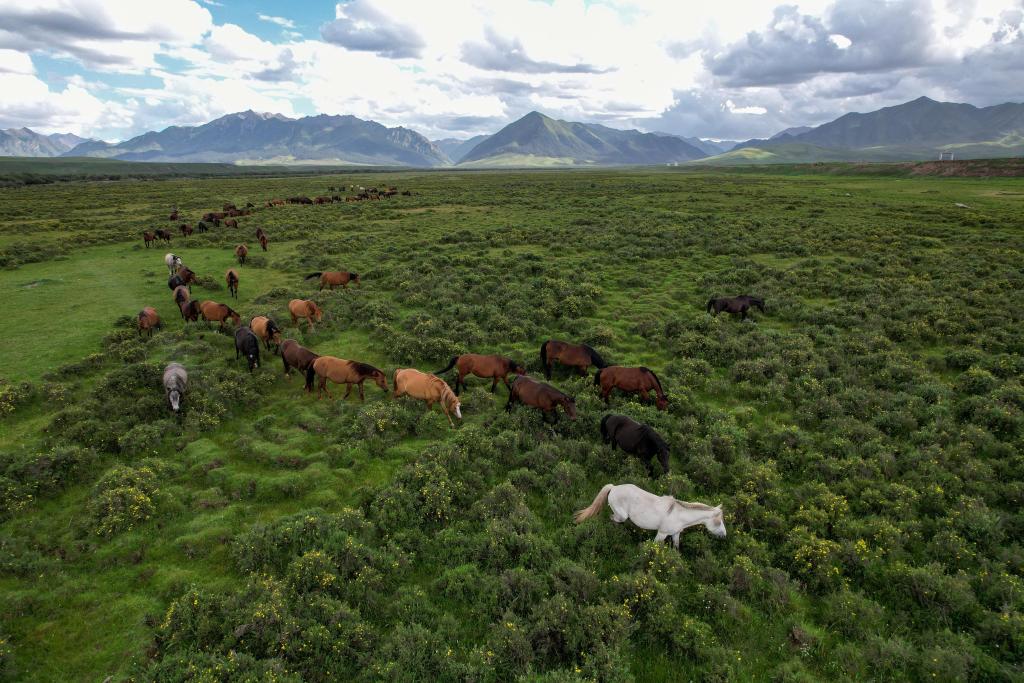
According to He, the number of study groups and tourists has risen annually, with his camping site almost full during the peak season.
Visitor Yang Kaisheng and his 11 friends drove from central China's Hunan Province to the farm. They arrived in the afternoon, just in time to witness herds of horses drinking by the river.
"It's so different from the scenery down south. Truly breathtaking," Yang said.
To prepare for the upcoming "visitor surge" during the Chinese New Year, the farm schedules herders daily to tend the herds while serving tourists. Rangers are also assigned to patrol the grassland, remind visitors of fire safety, and ensure that ecological precautions are in place.
WILD COMEBACK
While some of the tourists enjoy the horse riding at the farm, others fancy taking a look at the Przewalski's horse -- a species that was once deemed to have vanished from the wild.
At the Endangered Animal Protection Center in Gansu, some 200 km from the Shandan farm, staff provide a carefully balanced diet to help these rare creatures withstand the biting winter cold.
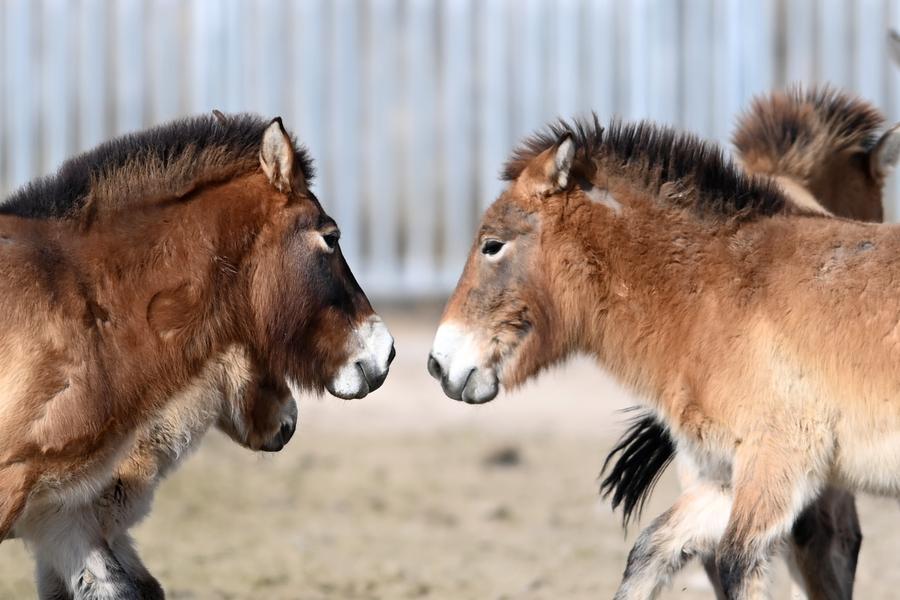
Przewalski's horse, the world's only remaining wild horse species, boasts an evolutionary history spanning over 60 million years. After 40 years of caring and breeding, China's total population of Przewalski's horses had surpassed 900 by 2025, accounting for one-third of the global total.
Leveraging favorable ecological conditions, the center released 56 Przewalski's horses into the wild at a national nature reserve in Dunhuang of the province between 2010 and 2025, and has kept another 45 for captive breeding.
This year, the center expects around six new Przewalski's horse foals, said Wang Hongjun, a wildlife manager at the center. "We will continue to scientifically manage the population based on genetic diversity and steadily expand China's Przewalski's horse herd," Wang added.
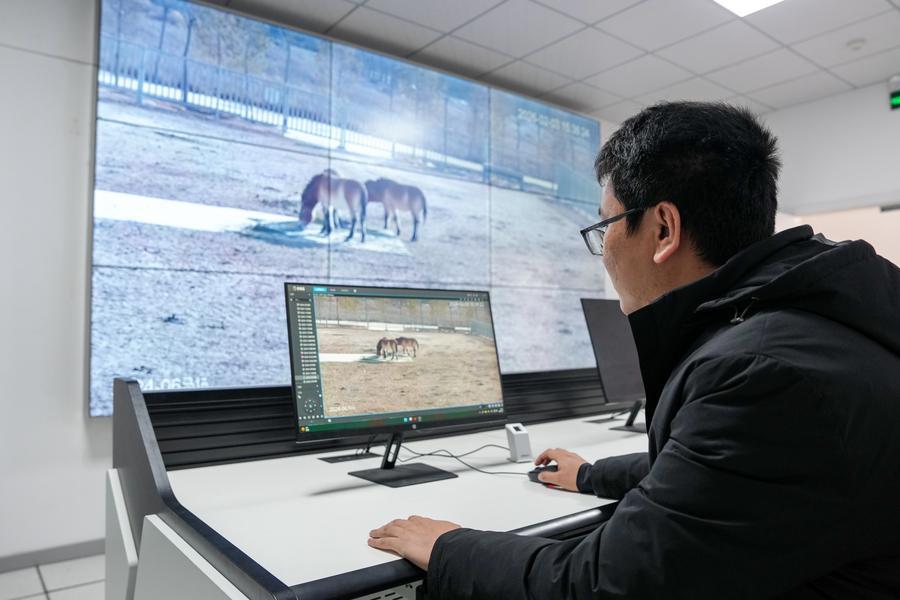
During the winter break, a growing number of parents are taking children to the wildlife park built by the center to see the Przewalski's horse, and learn about the conservation of rare wildlife.
"Conservation isn't just an empty slogan here," said visitor Li Mingming, after watching the horses. "It's something you can see with your own eyes." (Video reporters: Lang Bingbing and Chen Bin; video editors: Lin Lin and Luo Hui) ■