Bryson warned that a prolonged leadership contest could delay key government decisions and expose divisions within the Labour Party.
LONDON, June 19 (Xinhua) -- The commanding victory of Andy Burnham, a leading figure in Britain's Labour Party, in the Makerfield parliamentary by-election has fueled speculation over the party's future leadership, turning a local contest in northwestern England into a closely watched test of support for the governing party.
Burnham, Mayor of Greater Manchester, won 24,937 votes, according to results released early Friday, comfortably defeating Reform UK candidate Robert Kenyon, who received 15,696. Restore Britain came third with 3,111 votes.
A LOCAL RACE TAKES CENTER STAGE
The by-election drew national attention because it returned Burnham to the House of Commons, positioning him for a possible future bid for the Labour leadership. Under party rules, leadership candidates must be Members of Parliament and secure nominations from at least 81 Labour lawmakers.
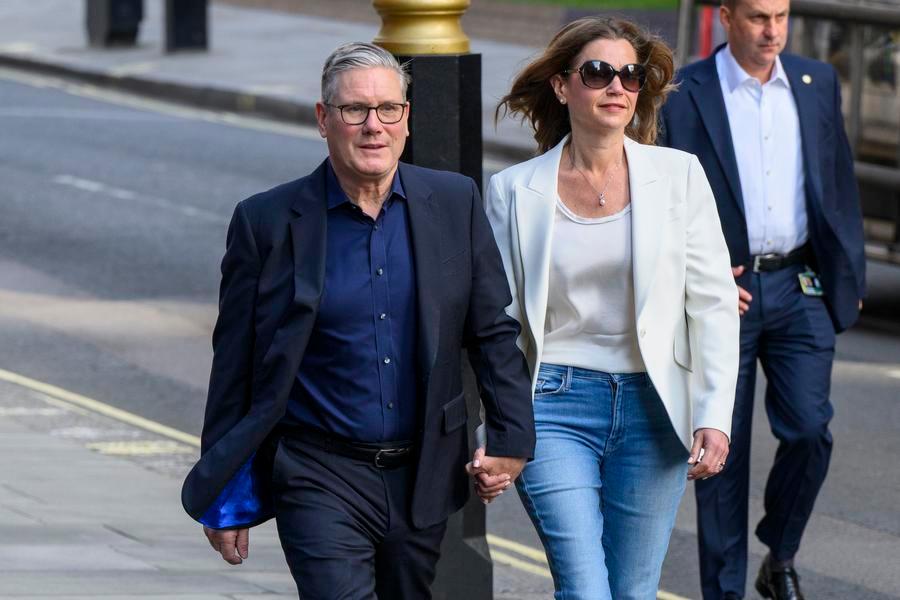
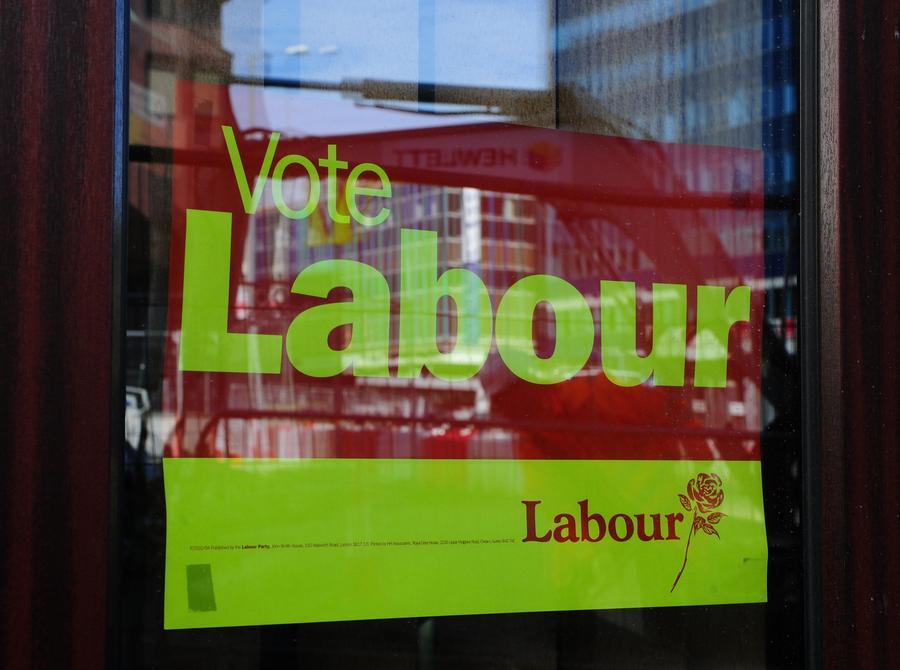
The contest was also viewed as an important test of Labour's ability to defend its traditional heartlands against Reform UK, as pressure mounted on Prime Minister and Labour leader Keir Starmer following setbacks in May's local and devolved elections.
Widely regarded as a potential challenger to Starmer, Burnham said during a televised debate earlier this month that he would seek to enter any Labour leadership contest if he won the by-election.
"It is our last chance to change, but we're going to take it," Burnham told supporters after the result, pledging to set out "a new path for Britain." He called for an end to "trickle-down" economics, the re-industrialization of northern England, and reforms to education and immigration policies.
Congratulating Burnham on what he described as a "very good victory," Starmer said the result showed Labour was beginning to push back against Reform UK.
Asked whether he would contest any future leadership election, Starmer said: "If there is a contest, then yes, I will run." He added that he was "not going to walk away" if such a contest took place.
MOMENTUM BEHIND BURNHAM
Stuart Wilks-Heeg, an elections expert at the University of Liverpool, said the scale of Burnham's victory in Makerfield was especially significant because many forecasts had suggested a much closer race.
"Momentum is everything in politics, and Andy Burnham has got it right now," Wilks-Heeg told Xinhua.
According to Wilks-Heeg, Burnham's personal popularity played a key role in the result, while support from Green, Liberal Democrat and Restore Britain voters helped limit gains by Reform UK.
Ian Scott, a professor at the University of Manchester, said the outcome sent "a clear message to the Labour Party and the country" that voters were looking for an alternative political approach. He said the result suggested Labour could still regain support in its traditional strongholds with a popular candidate and credible policies.
QUESTION OF MANDATE
Analysts said any future change in Labour's leadership could raise questions about the political mandate of a prime minister who had not led the party into a general election.
John Bryson, a professor at the University of Birmingham, noted that Labour had previously criticized Conservative prime ministers who entered Downing Street through internal party contests rather than national elections.
"If Burnham does replace Keir Starmer, the Labour Party must accept that he has no mandate from the electorate," Bryson told Xinhua.
Bryson argued that Burnham would inherit the mandate Labour won on its 2024 election platform and could not simply replace it with a substantially different program. Any major shift in government policy, he said, should be put before voters in a general election.
At the same time, Bryson warned that a prolonged leadership contest could delay key government decisions and expose divisions within the Labour Party. ■